
AFCON Reality Check: What Bafana Bafana’s Loss to Cameroon Really Revealed
By the time the final whistle blew in Rabat, Bafana Bafana’s AFCON 2025 journey was over — but the real conversation only began afterwards.
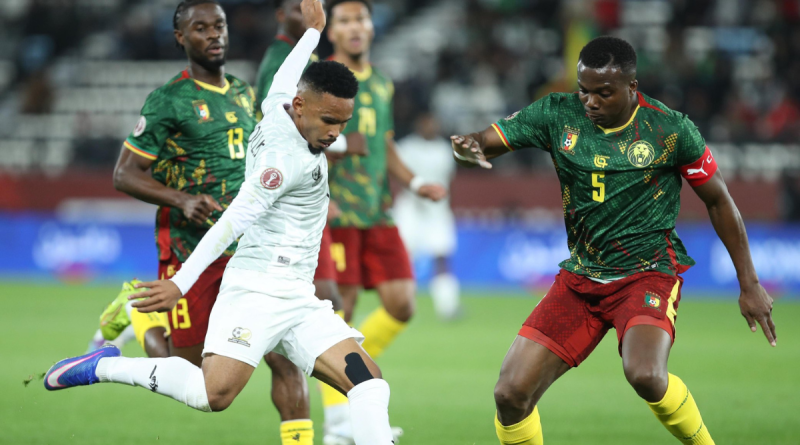
South Africa’s 2–1 defeat to Cameroon in the Round of 16 was not a shock result in isolation. What made it significant was how it happened, and what it exposed about a team still searching for the final pieces needed to compete consistently with Africa’s elite.
On paper, Bafana were competitive. In rhythm, they were composed. In moments that mattered most, however, familiar weaknesses resurfaced.
For large spells of the match, South Africa looked comfortable on the ball. The build-up play was measured, the midfield rotations worked, and Cameroon were forced to defend deeper than they would have preferred.
What was missing — again — was end product.
Bafana created half-chances and promising situations but failed to turn territorial control into clear goalscoring opportunities. The lack of ruthlessness in the final third meant Cameroon were able to absorb pressure without panic, knowing South Africa had not fully tested their defensive line.
At AFCON level, that inefficiency is costly.
Cameroon’s two goals were not the result of overwhelming dominance, but rather moments where Bafana’s defensive structure briefly switched off.
Junior Tchamadeu’s opener came after space was allowed in a dangerous area — a recurring theme that has followed South Africa throughout the tournament. The second goal, a header by young striker Christian Kofane, highlighted another issue: defending set-piece situations and aerial threats under pressure.
These were not new problems. Even during the group stages, warning signs were visible — particularly in the 3–2 win over Zimbabwe, where lapses in focus nearly turned victory into disaster.
Against a team with Cameroon’s experience, those margins were always going to be punished.
The response in the final stages deserves credit. Hugo Broos’ substitutions injected urgency, and Evidence Makgopa’s late goal briefly reignited belief.
But Cameroon’s game management in the closing minutes underlined the difference between a team that knows how to close out knockout matches and one still learning that craft. The Indomitable Lions slowed the tempo, cleared their lines, and defended pragmatically — not beautifully, but effectively.
It was a lesson in tournament football.
After the match, head coach Hugo Broos struck a measured tone, acknowledging both the disappointment and the positives.
South Africa did compete. They were not overrun. But at this level, performance alone is not enough. Execution decides outcomes.
Broos now faces a familiar challenge: how to build on the progress made since the AFCON 2023 bronze medal, while addressing the recurring issues that continue to resurface when the stakes are highest.
This AFCON campaign was not a failure — but neither was it a breakthrough.
Bafana Bafana have regained respect, structure, and belief over the past two years. What remains missing is consistency in decisive moments: killing games off, defending leads, and staying mentally sharp when pressure peaks.
Until those elements improve, South Africa will remain competitive — but vulnerable — against Africa’s heavyweight nations.
The elimination forces an uncomfortable but necessary debate.
Are these shortcomings simply part of a team still evolving, or are they structural problems that require deeper tactical and personnel changes before the next major tournament?
That question, more than the result itself, is the true legacy of Bafana Bafana’s AFCON 2025 exit — and it is one South African football can no longer avoid.