
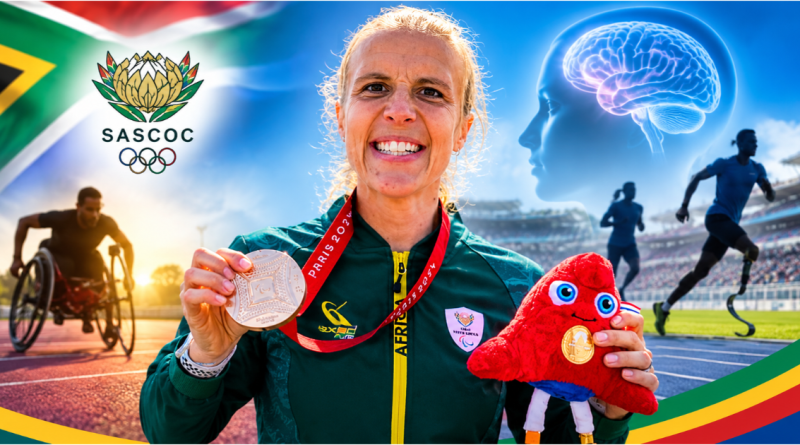
Beyond the Disability: Louzanne Coetzee Highlights Barriers Facing South Africa’s Para Athletes
South African Paralympic medallist Louzanne Coetzee says a lack of resources, disability education and access to sporting opportunities continues to affect athletes with disabilities, particularly those from disadvantaged backgrounds.
For aspiring athletes with disabilities, getting involved in sport can involve challenges that extend beyond training and competition. Limited resources, inadequate knowledge about disability management and difficulties accessing sporting opportunities can create additional barriers to participation and development.
South African Paralympic athlete Louzanne Coetzee believes these challenges deserve greater attention, particularly among young athletes from previously disadvantaged communities.
Coetzee shared her observations during a webinar hosted by the South African Sports Confederation and Olympic Committee (SASCOC) High-Performance Psychology Working Group on Thursday, 22 October.
The webinar, titled Cyberbullying, Mental Health and the Psychological Realities of Elite Sport, examined the psychological pressures athletes face and the support systems needed to protect their well-being.
Speaking from her experience working with students with disabilities, Coetzee identified a lack of resources and limited knowledge about managing specific disabilities as significant challenges.
“Something that I see very much with students with disability is a lack of resources and lack of knowledge,” she said.
She explained that many students come from previously disadvantaged backgrounds, where neither they nor their family members have necessarily received adequate education about managing their specific disabilities or accessing available resources.
According to Coetzee, this knowledge gap can affect their ability to navigate the sporting environment and access opportunities.
Creating opportunities through para sport
Coetzee, who works as a para sports manager at the University of the Free State, highlighted the importance of establishing structures that help students with disabilities participate in sport.
She explained that the university established a dedicated para sport department within its sports department to assist students in accessing different sporting opportunities.
The initiative aims to help address some of the barriers that prevent students with disabilities from participating fully in sport.
For Coetzee, providing opportunities goes beyond simply encouraging participation. Athletes also need the necessary knowledge, resources and support to make use of those opportunities.
Her observations highlight the important role universities, sporting organisations and other institutions can play in creating more inclusive sporting environments.
Disability adds another layer of challenges
While disability presents additional considerations, Coetzee pointed out that para athletes also experience many of the same difficulties as other South African athletes.
Financial constraints and being far away from home, for example, are challenges that affect athletes regardless of whether they have disabilities.
However, these ordinary pressures can become more difficult when combined with the additional demands associated with managing a disability.
Coetzee’s comments highlight the importance of understanding the different circumstances athletes face when developing support programmes and pathways into competitive sport.
A three-time Paralympic medallist and dual World Para Athletics Championships medallist, Coetzee has represented South Africa internationally in middle- and long-distance running, competing in events ranging from the 1500m to the marathon.
Born with Leber congenital amaurosis, she is also a motivational speaker and combines her experience as an elite athlete with her work in para sport management.
Her contribution to the SASCOC webinar reinforces the need for a more inclusive approach to athlete development, particularly at grassroots level.
For aspiring para athletes, meaningful inclusion must go beyond opening the doors to participation. It must also ensure that they have access to the knowledge, resources and support needed to develop their abilities and pursue their sporting ambitions.